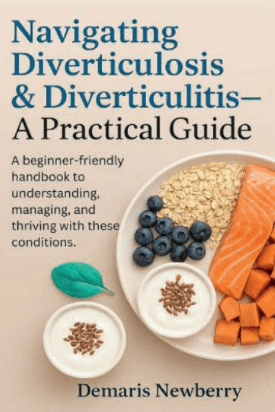
Diverticulosis vs. Diverticulitis: What to Eat and When
If you're navigating diverticular disease, knowing when and what to eat can make all the difference.
Here's a science-rooted breakdown to help you make confident, healing choices.
If You're in Diverticulosis
This is the non-inflamed phase — and it's your window to build resilience.
1. Focus on high-fiber foods: whole grains, cooked vegetables, gentle legumes
2. Minimize processed foods that disrupt gut motility and increase inflammation
Remember: diverticulosis doesn’t go away, but smart daily choices can prevent flare-ups
If You're in Diverticulitis
This is the active flare phase, and your colon needs rest.
Stick to a clear liquid diet until all symptoms are gone — that means:
No pain - No pressure - No gas, bloating or gurgling
Once symptoms fully resolve, you're back in diverticulosis — but your colon is still healing.
The Recovery Window: 3 Months
Even after the pain stops, your colon needs time.
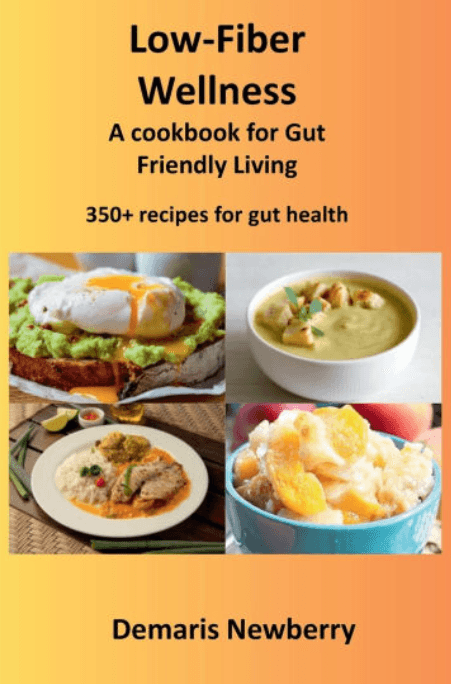
1. Eat low-fiber foods for the next 3 months to support tissue repair
2. Avoid raw vegetables, seeds, and heavy grains during this phase
3. Healing takes time — and your choices matter
Many readers choose to start with the free Gut Health Starter Guide or the Complete Digestive Library.
Warmly,
Demaris
The Wellness Thread