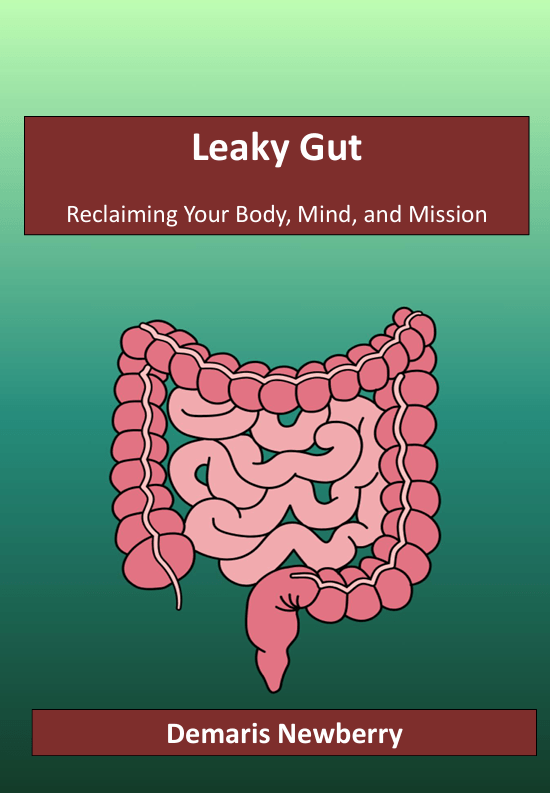
Improve Gut Health Today | 5 Simple Tips
Your gut is at the center of your overall health — it impacts everything from digestion and mood to immunity and energy levels. When your gut feels off, you feel it everywhere. The good news? You can start supporting your digestion and microbiome today with just a few small adjustments. These five easy steps will help reduce bloating, nourish your gut bacteria, and help you feel your best every day.
Understanding Your Gut
Your gut is home to trillions of microorganisms known as the gut microbiome. These bacteria help break down food, absorb nutrients, and even influence your mood and immune system. When this delicate balance is disrupted — from stress, poor diet, or antibiotics — symptoms like bloating, gas, constipation, or fatigue can appear.
Supporting your microbiome with nourishing foods and lifestyle habits keeps your digestion running smoothly and your body feeling vibrant.
Top 5 Habits for Gut Health
1. Eat Fermented Foods
Fermented foods like yogurt, kefir, sauerkraut, kimchi, and miso are rich in probiotics — the beneficial bacteria that support your microbiome.
Try adding a small portion daily to your meals. You can toss kimchi into a rice bowl, add sauerkraut to a sandwich, or enjoy kefir as a morning smoothie base. These simple swaps can restore microbial balance and reduce bloating naturally.
2. Stay Hydrated
Water keeps your digestive system moving efficiently. Dehydration can slow things down and contribute to constipation or discomfort.
Aim for half your body weight in ounces of water each day. Herbal teas like peppermint, ginger, or chamomile can also soothe the digestive tract and promote healthy motility.
3. Manage Stress
Your brain and gut are deeply connected through the gut-brain axis. Chronic stress can change your microbiome, slow digestion, and trigger inflammation.
Incorporate relaxation techniques like deep breathing, gentle yoga, or journaling. Even five minutes of mindfulness daily can calm your nervous system and support better digestion.
4. Move Your Body
Regular movement enhances blood flow to your digestive organs and keeps food moving through your intestines efficiently.
You don’t need intense workouts — even a 20-minute walk after meals can make a big difference for digestion and bloating. Movement also helps regulate stress hormones, further benefiting your gut.
5. Prioritize Sleep
Sleep allows your body to restore and repair, including your digestive system. Poor sleep can lead to sugar cravings, stress hormone imbalances, and inflammation.
Try maintaining a consistent bedtime, dimming lights in the evening, and limiting screens before bed. Quality sleep supports healthy digestion and reduces the urge for late-night snacking.
Monitoring Your Progress
As you implement these habits, pay attention to how your body responds. Notice changes in bloating, energy levels, and regularity. Journaling your meals and symptoms for a few weeks can help you identify patterns and celebrate progress.
If symptoms persist, consider working with a gut health specialist to explore underlying causes like food sensitivities, dysbiosis, or nutrient deficiencies.
Conclusion
Small, consistent changes make the biggest impact. When you eat mindfully, hydrate well, manage stress, move daily, and sleep deeply — your gut thrives. Start with one or two of these tips today, and your body will thank you with better digestion, balanced energy, and lasting wellness.
Many readers choose to start with the free Gut Health Starter Guide or the Complete Digestive Library.
Warmly,
Demaris
The Wellness Thread